
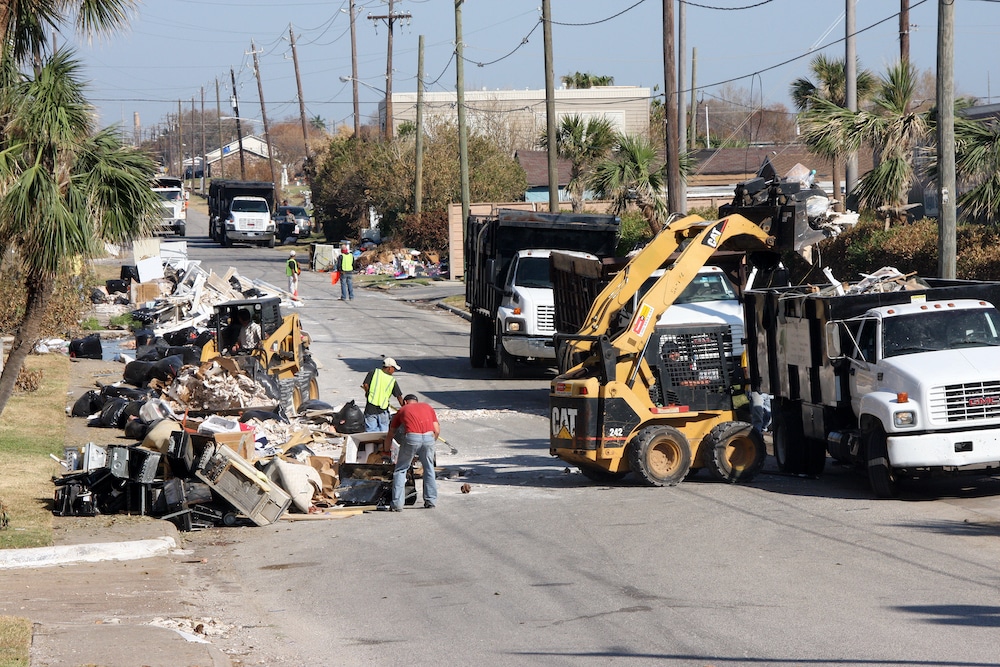
After a disaster, clearing debris is critical to restoring safety and access. Roads must be opened for emergency vehicles, utilities need access for repairs, and communities rely on debris removal to begin recovery. There is also a psychological impact. Visible debris can slow a community’s sense of recovery, while organized cleanup helps signal progress and stability. At the same time, municipal leaders and staff are often dealing with the same impacts in their personal lives while trying to manage response and recovery efforts. For many, it is one of the most challenging days they will face professionally.
Debris operations must be carefully managed to meet FEMA requirements and support reimbursement. This page covers FEMA debris management plan requirements, why pre-disaster debris planning matters, how we develop FEMA-compliant debris management plans, and a practical checklist to evaluate your readiness.
What Is a FEMA Debris Management Plan
A FEMA debris management plan outlines how your organization will manage disaster debris after an event, including:
- Debris collection and removal operations
- Debris reduction and disposal methods
- Temporary debris management site planning
- Debris monitoring and documentation
- Procurement and contracting strategies
FEMA expects debris management plans to address operations, eligibility, procurement, and recordkeeping. Plans that are incomplete or not aligned with FEMA Public Assistance requirements can lead to delays, disallowed costs, or reduced reimbursement.
Why FEMA Debris Management Planning Matters Before a Disaster
Debris removal is often one of the largest cost components of FEMA Public Assistance claims and is typically reimbursed under Category A. Early decisions made during response directly impact eligibility and reimbursement.
A FEMA-aligned debris management plan helps you:
- Establish clear roles and responsibilities before an event
- Align debris operations with FEMA eligibility requirements
- Avoid procurement compliance issues
- Improve documentation for FEMA reimbursement
- Accelerate debris removal while maintaining compliance
Pre-disaster debris management planning positions your organization to act quickly without creating downstream funding issues.
Our FEMA Debris Management Plan Consulting Approach
We develop FEMA-compliant debris management plans that are both actionable and defensible during grant review.
Assessment and alignment
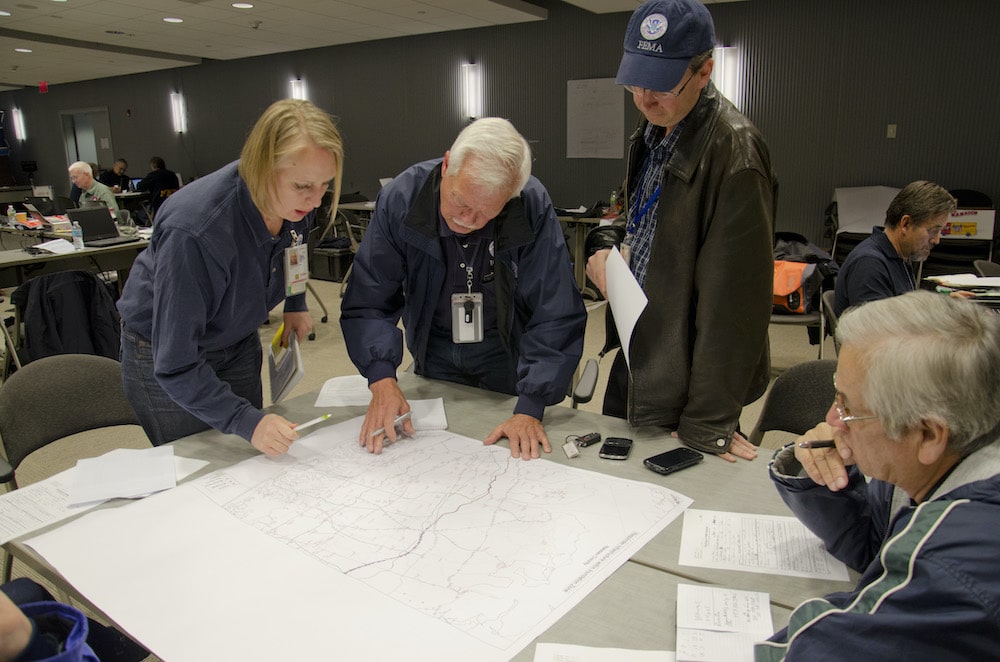
We review your current debris management plan, contracts, and procedures to identify gaps related to FEMA requirements, procurement standards, and operational readiness.
Plan development
We build or refine your debris management plan to include:
- Debris collection and reduction strategies
- Temporary debris management site selection
- Debris monitoring and load ticket documentation procedures
- Procurement and contracting approaches aligned with federal requirements
- Environmental and regulatory considerations
Nuance matters in compliant planning
Small decisions in debris planning can have outsized impacts on eligibility and execution. For example, temporary debris management sites should not be located in flood-prone areas, as this can create environmental risks and complicate FEMA eligibility. Site selection, haul routes, and reduction methods should be thought through in advance to avoid operational delays and compliance issues during response.
FEMA compliance focus
We align your debris management plan with FEMA Public Assistance requirements so actions taken during a disaster support eligibility and reimbursement.
Practical implementation
Plans are structured for real-world use with clear decision points, documentation workflows, and operational guidance.
Who We Work With
- Municipal governments and counties
- Public works and emergency management departments
- Utilities and special districts
- Schools and public institutions
Common FEMA Debris Planning Challenges
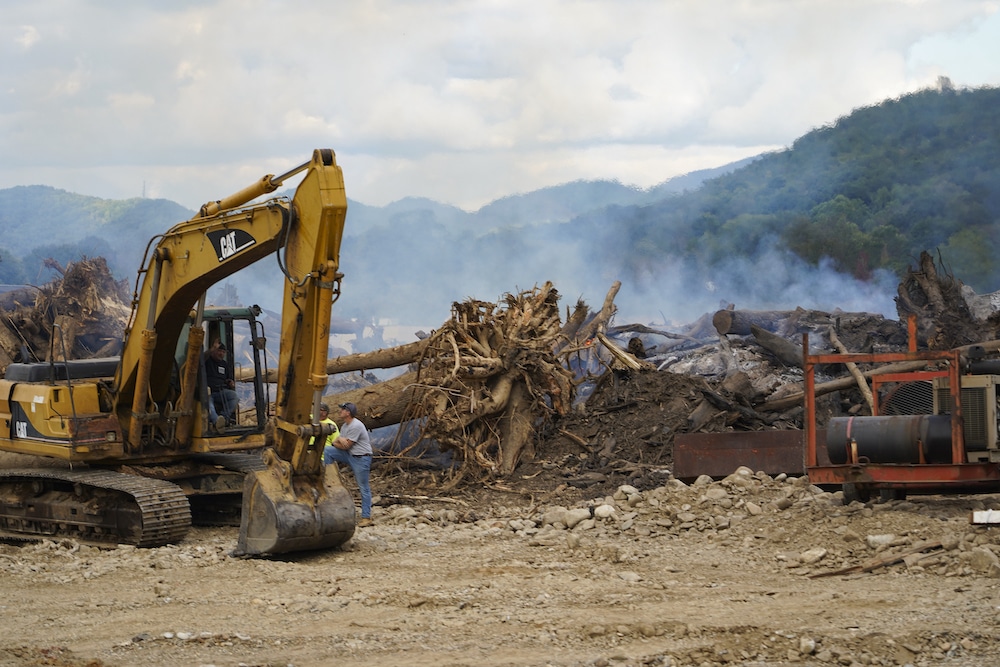
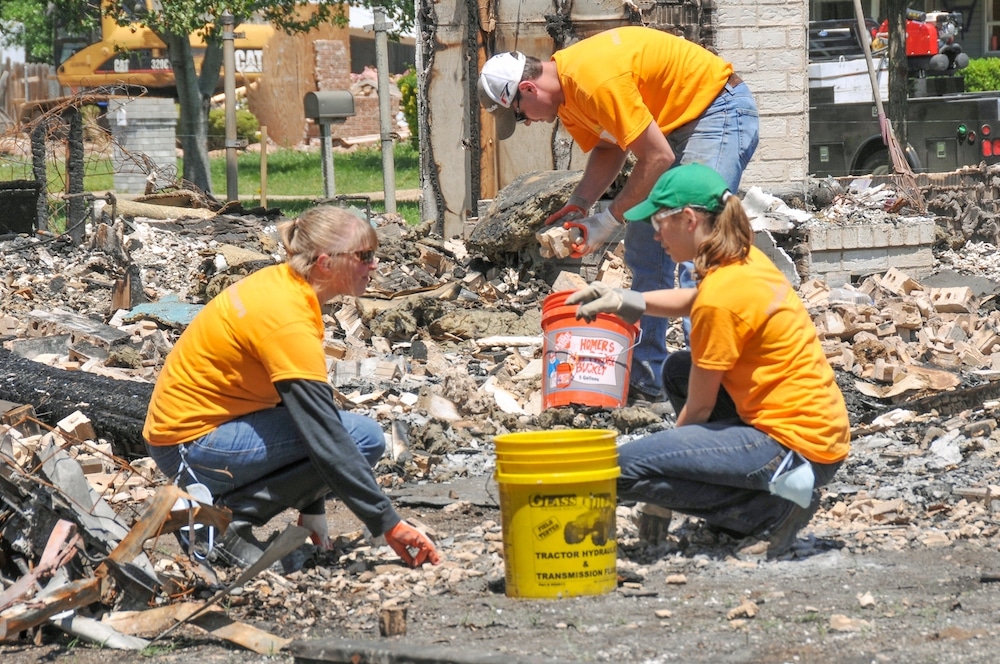
Organizations often face similar issues when preparing or updating debris management plans:
- No formal debris management plan in place
- Outdated plans that are not FEMA compliant
- Uncertainty around debris eligibility and documentation requirements
- Procurement approaches that may not meet federal standards
- Limited clarity on scaling debris operations during a major disaster
FEMA Debris Management Plan Checklist
Use this checklist to quickly assess your current debris planning readiness.
⃞ Defined debris collection and reduction strategy
⃞ Pre-identified temporary debris management sites
⃞ Debris monitoring procedures in place
⃞ FEMA-compliant procurement strategy
⃞ Documentation and recordkeeping protocols defined
⃞ Roles and responsibilities assigned
⃞ Environmental and regulatory considerations addressed
⃞ Process for tracking debris quantities and costs
⃞ Contracting strategy established before an event
⃞ Clear chain of command during debris operations
If you are unsure whether your debris management plan meets FEMA requirements, we can review it and identify gaps.
Prepare Your Debris Management Plan Before the Next Disaster
Next Steps
If you are unsure whether your debris management plan meets FEMA requirements or would hold up during a disaster, we can help.
We work with public entities to develop clear, compliant, and usable debris management plans.
Schedule a 30-minute review to walk through your current approach, identify gaps, and discuss practical next steps.