Wildfire Response & Recovery Funding
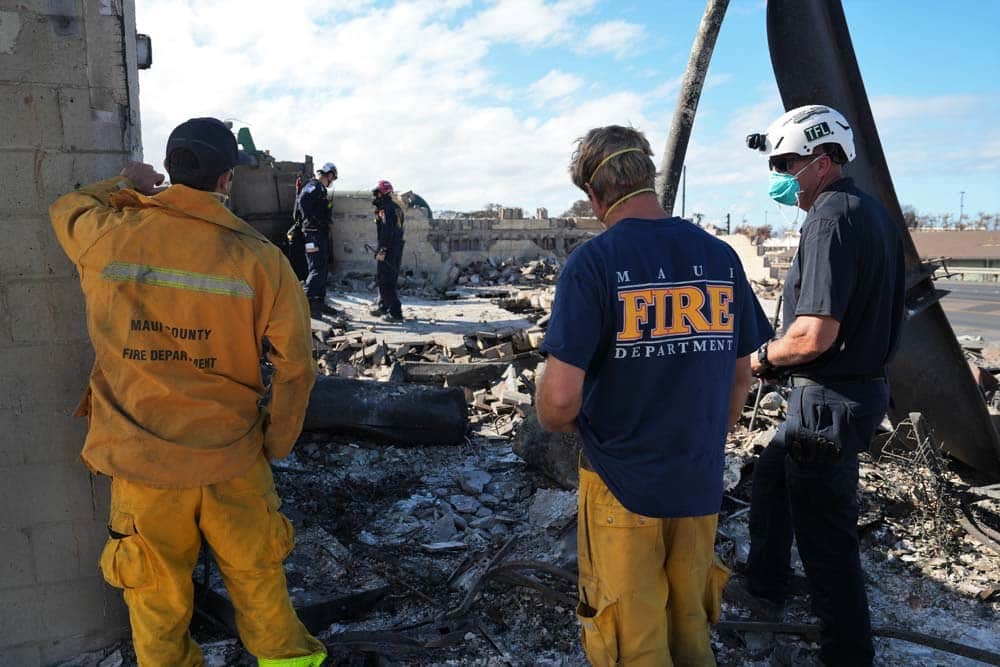
Wildfires require immediate response, and funding decisions often need to happen just as quickly. The FEMA Fire Management Assistance Grant (FMAG) program supports active fire response, while FEMA Public Assistance supports longer-term recovery if damages escalate.
Berquist Recovery Consulting works with public entities across both phases, helping ensure that eligible costs are captured early and positioned correctly for reimbursement under FEMA wildfire funding programs.
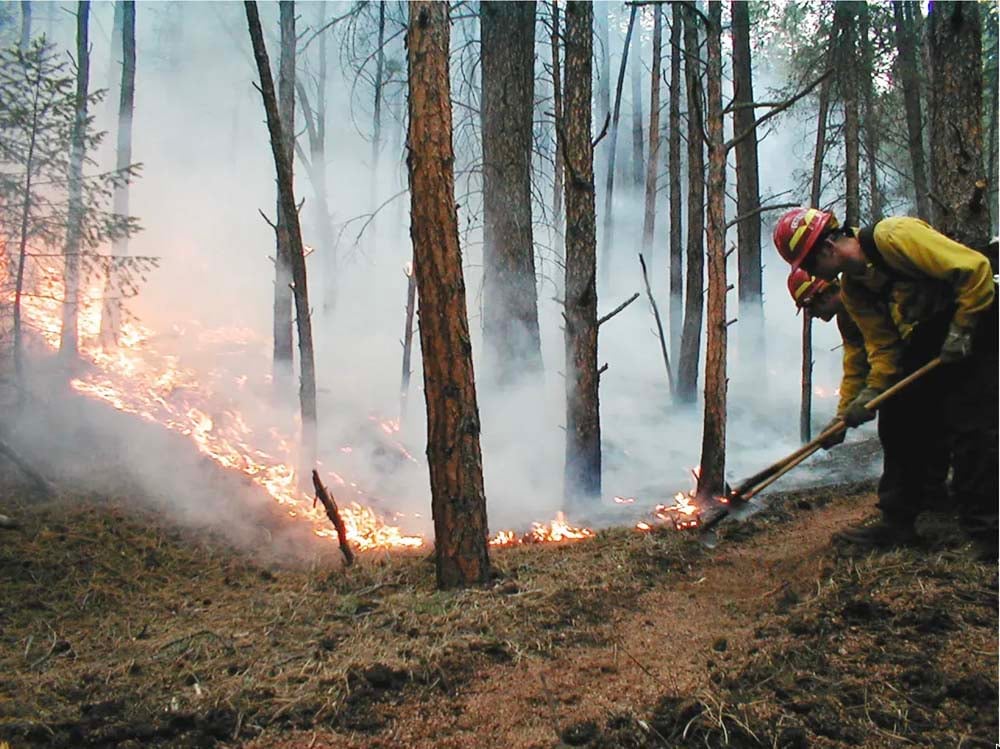
The FEMA Fire Management Assistance Grant (FMAG) program provides funding to help state, local, and tribal governments respond to active wildfires that threaten to become major disasters.
FMAG must be requested while a fire is still burning. If approved, it allows for reimbursement of eligible emergency response costs tied to firefighting and immediate protective measures.
It is typically used when a fire is out of control, threatening infrastructure or populated areas, and local resources are fully committed. FEMA evaluates fire conditions, resource availability, and potential impacts before approving FMAG funding.
FEMA Fire Funding Programs: Preparedness, Response, & Recovery
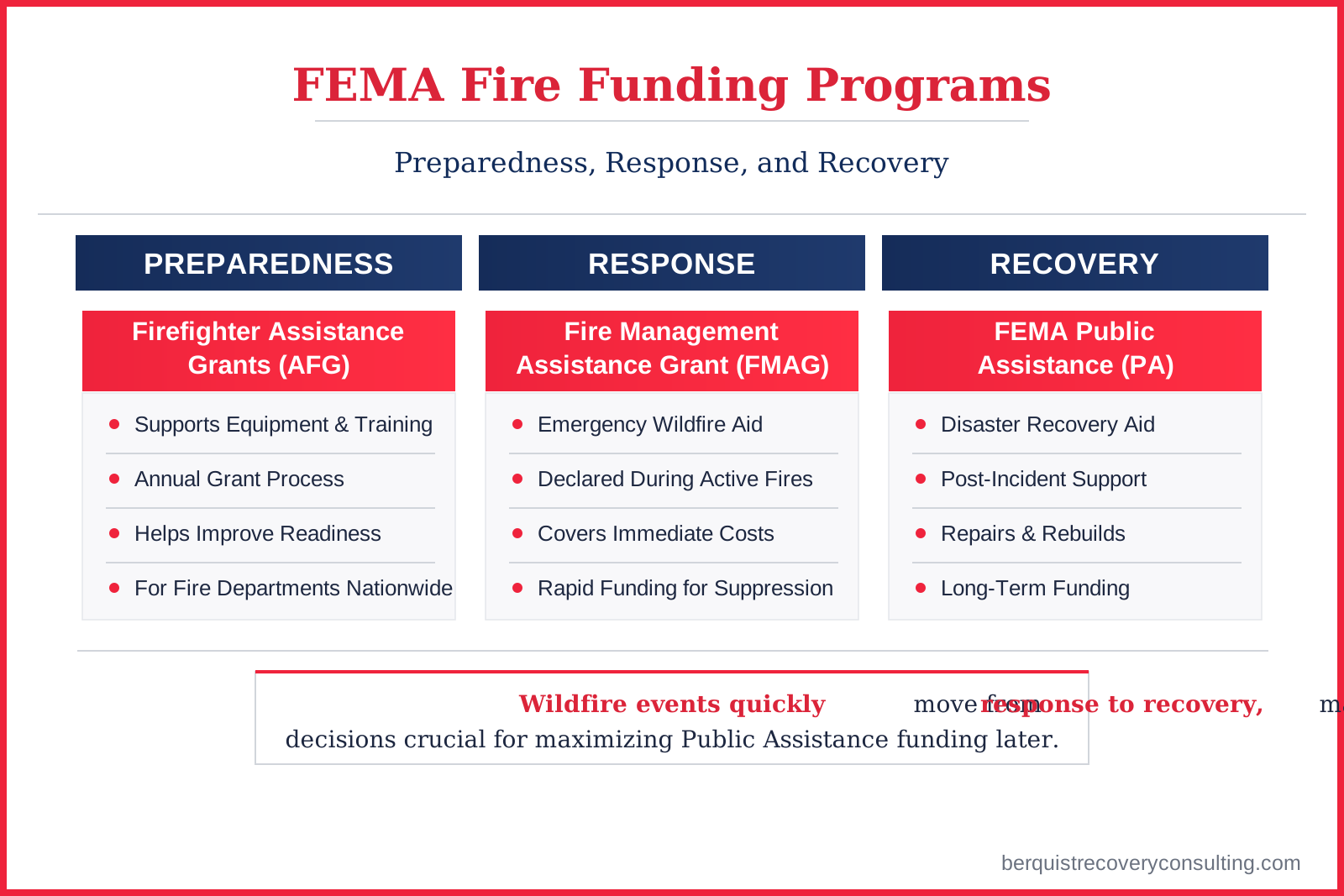
FEMA fire-related funding programs serve different roles depending on where you are in the lifecycle of an event. Understanding how Firefighter Assistance Grants (AFG), FMAG funding, and FEMA Public Assistance fit together helps ensure the right funding is pursued at the right time.
What FMAG Covers
FMAG funding is focused on emergency response, not long-term recovery.
Eligible costs under FMAG may include firefighting labor, equipment usage, materials and supplies, evacuation support, and operational costs such as field camps and logistics. The program generally provides funding at a 75 percent federal cost share.
Understanding eligible costs under FMAG and documenting them correctly is critical to receiving full FEMA reimbursement.
FMAG is often confused with FEMA’s Firefighter Assistance Grants (AFG).
While FMAG supports wildfire response and suppression activities, AFG funding is focused on equipment, training, and staffing for fire departments. Both programs can be relevant depending on your needs.
Where Entities Run Into Issues with FMAG Funding
FMAG reimbursement depends on documentation and eligibility, both of which are often handled under pressure during active response.
Common issues include inconsistent cost tracking, unclear separation of eligible and ineligible work, missed thresholds required for FEMA fire grant funding, and lack of coordination across responding agencies. These issues can reduce or delay reimbursement.
How BRC Supports FMAG Funding
BRC works with clients during and immediately after fire response to help align activities and documentation with FEMA requirements.
This includes guidance on eligible costs under FMAG, structuring labor and equipment tracking, and helping teams understand how to meet FEMA thresholds. We also help clients navigate the FEMA wildfire reimbursement process and avoid common pitfalls that lead to lost funding.
The focus is on capturing what is eligible and positioning it correctly for reimbursement.
FMAG vs FEMA Public Assistance
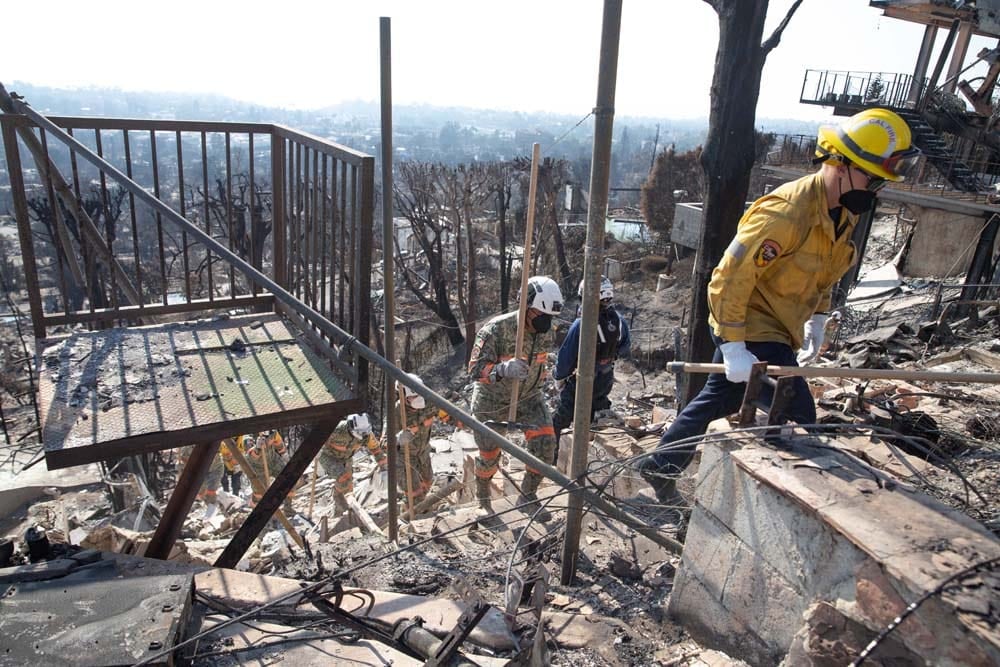
FMAG is used during active wildfire response, while FEMA Public Assistance supports recovery after a disaster is declared.
If a wildfire causes sufficient damage, it may lead to a Presidential major disaster declaration. At that point, FEMA Public Assistance funding becomes available.
FEMA Public Assistance for wildfires may cover debris removal, emergency work, and permanent repairs to public infrastructure. It can also include hazard mitigation opportunities tied to rebuilding.
Manageing Wildfire FEMA Funding from Response Through Recovery