
Communities across the country are facing increasing risks from flooding, hurricanes, severe storms, infrastructure failures, wildfire, and other natural hazards. At the same time, many FEMA mitigation grant programs require an approved Hazard Mitigation Plan in order to maintain eligibility for funding.
At Berquist Recovery Consulting, we help local governments, utilities, school districts, emergency management agencies, and public infrastructure operators develop FEMA-compliant Hazard Mitigation Plans that support long-term resilience and future mitigation funding opportunities. Our team combines real-world disaster recovery experience with mitigation planning expertise to help communities identify vulnerabilities, prioritize mitigation projects, and navigate the FEMA planning process.
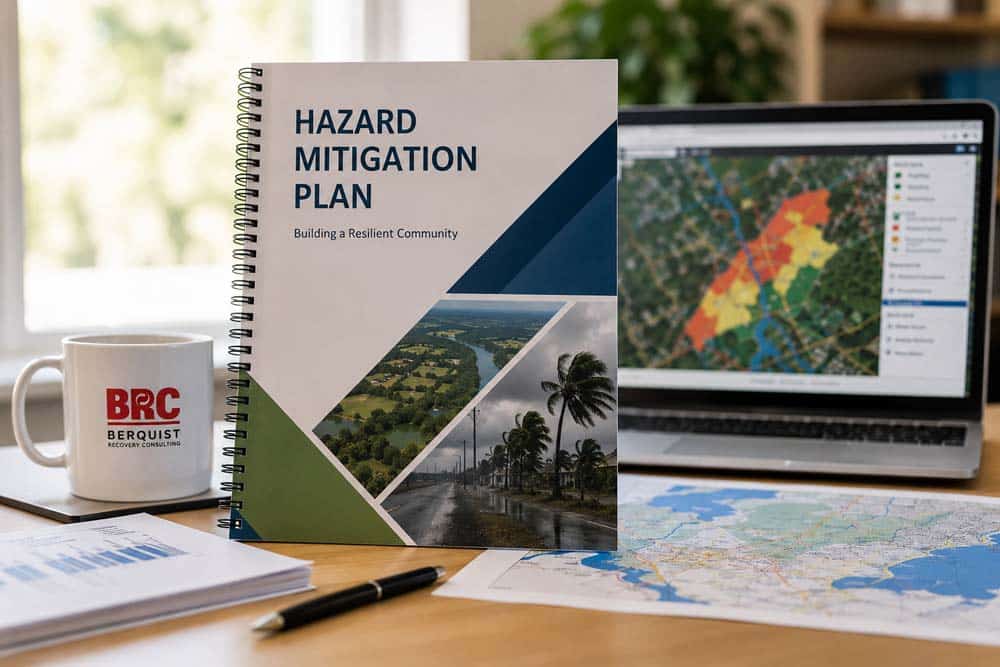
FEMA Hazard Mitigation Plan Development
BRC provides full-service Hazard Mitigation Plan development and update support for local governments and public sector organizations.
We assist clients with:
- FEMA-compliant Hazard Mitigation Plan development
- Five-year Hazard Mitigation Plan updates
- Multi-jurisdictional mitigation planning
- Risk and vulnerability assessments
- Critical infrastructure assessments
- Public and stakeholder engagement
- Mitigation strategy development
- FEMA and state review coordination
- Plan adoption support
- Mitigation project identification
Our goal is to help communities develop practical, actionable mitigation plans that improve resilience while supporting eligibility for FEMA mitigation funding programs.
What is a Hazard Mitigation Plan?
A Hazard Mitigation Plan (HMP) is a long-term planning document that identifies hazards, vulnerable assets, and strategies to reduce future disaster impacts. FEMA-approved mitigation plans are typically required for eligibility under programs such as:
- Building Resilient Infrastructure and Communities (BRIC)
- Flood Mitigation Assistance (FMA)
- Hazard Mitigation Grant Program (HMGP)
Hazard mitigation planning helps communities:
- Reduce long-term disaster costs
- Identify infrastructure vulnerabilities
- Prioritize mitigation projects Improve emergency preparedness
- Support resilience initiatives Strengthen grant competitiveness
- Coordinate planning across agencies and jurisdictions
Many local governments also use mitigation plans to support capital planning, infrastructure investments, flood resilience initiatives, and long-term emergency management strategies.
Our Hazard Mitigation Planning Process
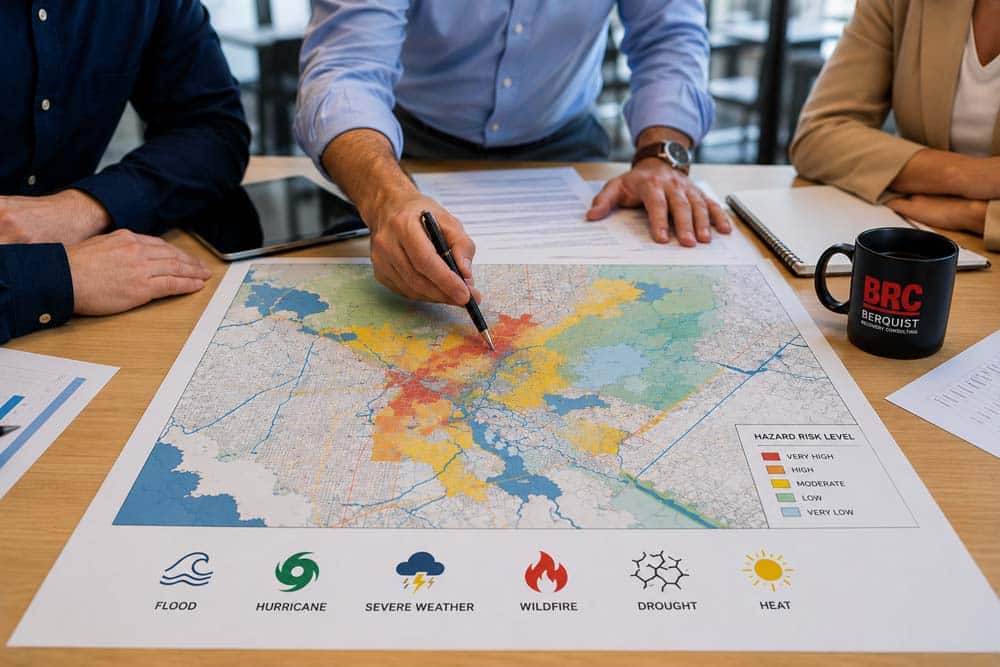
1. Project Kickoff and Stakeholder Coordination
We begin by working with local officials, emergency managers, infrastructure operators, and stakeholders to establish the planning process, identify priorities, and gather existing planning documents and hazard data. Our team can help facilitate coordination between:
- Municipal departments
- Utilities and authorities
- School districts
- Emergency management agencies
- Public works departments
- Regional and county partners
2. Hazard Identification and Risk Assessment
We evaluate hazards that may affect the community and identify vulnerable facilities, infrastructure, and operations.
Depending on the jurisdiction, this may include analysis related to:
- Flooding and stormwater
- Coastal storms and hurricanes
- Severe weather
- Winter storms
- Wildfire
- Extreme heat
- Drought
- Infrastructure failures
- Utility disruptions
- Cyber and operational risks where applicable
We also help identify critical facilities and infrastructure that may require additional mitigation measures.
3. Mitigation Strategy Development
A mitigation plan should be more than a compliance document. We work with clients to identify practical mitigation actions that can reduce future damages and operational disruptions.
Potential mitigation projects may include:
- Flood protection systems
- Drainage improvements
- Pump station upgrades
- Backup power systems
- Utility hardening
- Elevation and floodproofing projects
- Nature-based mitigation solutions
- Critical facility protection
- Infrastructure resilience improvements
Where appropriate, we also help align mitigation concepts with potential FEMA and state funding opportunities.
4. Public Engagement and Planning Documentation
FEMA mitigation planning requirements include stakeholder participation and public involvement. BRC assists clients with documenting the planning process and supporting public outreach efforts.
This may include:
- Public meeting support
- Stakeholder workshops
- Planning committee facilitation
- Documentation of participation
- Public comment collection
- FEMA-required planning records
5. FEMA and State Review Coordination
Our team helps prepare and coordinate plan submissions for state and FEMA review. We work with clients to address review comments, revisions, and approval requirements throughout the planning process.
Once approved, we assist communities with the final plan adoption process required for FEMA approval.
Multi-Jurisdictional Hazard Mitigation Plans
Many counties and regional entities pursue multi-jurisdictional Hazard Mitigation Plans that include municipalities, utilities, school districts, emergency service organizations, and special districts.
BRC helps coordinate complex planning efforts involving multiple participating jurisdictions while maintaining FEMA compliance requirements and stakeholder coordination.
Hazard Mitigation Plan Updates
FEMA mitigation plans generally require updates every five years in order to maintain eligibility for mitigation grant programs.
We assist communities with:
- Five-year plan updates
- Updated hazard data and risk assessments
- Mitigation action progress tracking
- Infrastructure vulnerability updates
- New mitigation project identification
- Updated public engagement documentation
- FEMA re-submission coordination
Infrastructure & Critical Facility Mitigation Planning
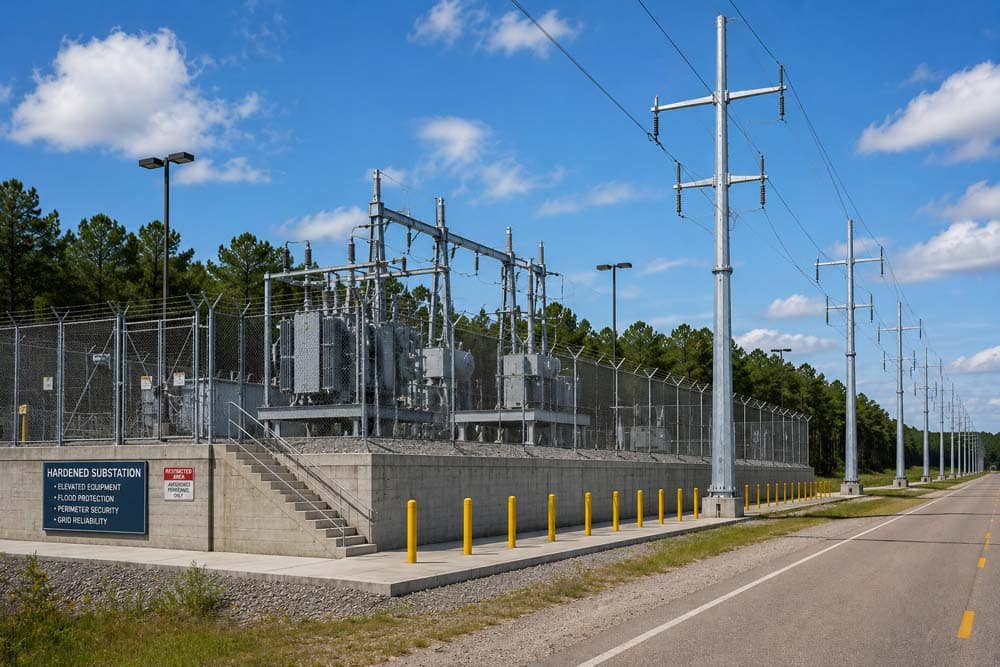
BRC has experience supporting mitigation and recovery efforts involving:
- Water and wastewater infrastructure
- Transportation systems
- Public buildings and facilities
- Emergency operations facilities
- Flood control infrastructure
- Parks and public assets
- Utility systems
- Critical community infrastructure
We help organizations identify vulnerabilities, assess operational risks, and prioritize resilience improvements that may reduce future disaster impacts.
Why Work with Berquist Recovery Consulting?
Many firms offer mitigation planning services. BRC brings practical disaster recovery and infrastructure experience to the planning process.
Our team has supported projects involving:
- FEMA Public Assistance recovery
- Flood recovery and mitigation
- Infrastructure resilience
- Disaster grant management
- Emergency protective measures
- Long-term recovery operations
- Mitigation funding strategy
We understand the operational, financial, and regulatory challenges communities face before and after disasters.
Who We Serve
We provide Hazard Mitigation Plan consulting services for:
- Counties Cities and municipalities
- Emergency management agencies
- Utilities and authorities
- School districts and higher education
- Transit agencies
- Housing authorities
- Public infrastructure operators
- Regional agencies and special districts
Discuss Your Hazard Mitigation Planning Needs
Whether your organization needs a new FEMA-compliant Hazard Mitigation Plan, a five-year update, or assistance identifying mitigation priorities, BRC can help.
Contact Berquist Recovery Consulting to discuss your hazard mitigation planning, infrastructure resilience, and mitigation funding goals.