Dam Safety Federal Funding: How Local Governments Can Access Critical Resources
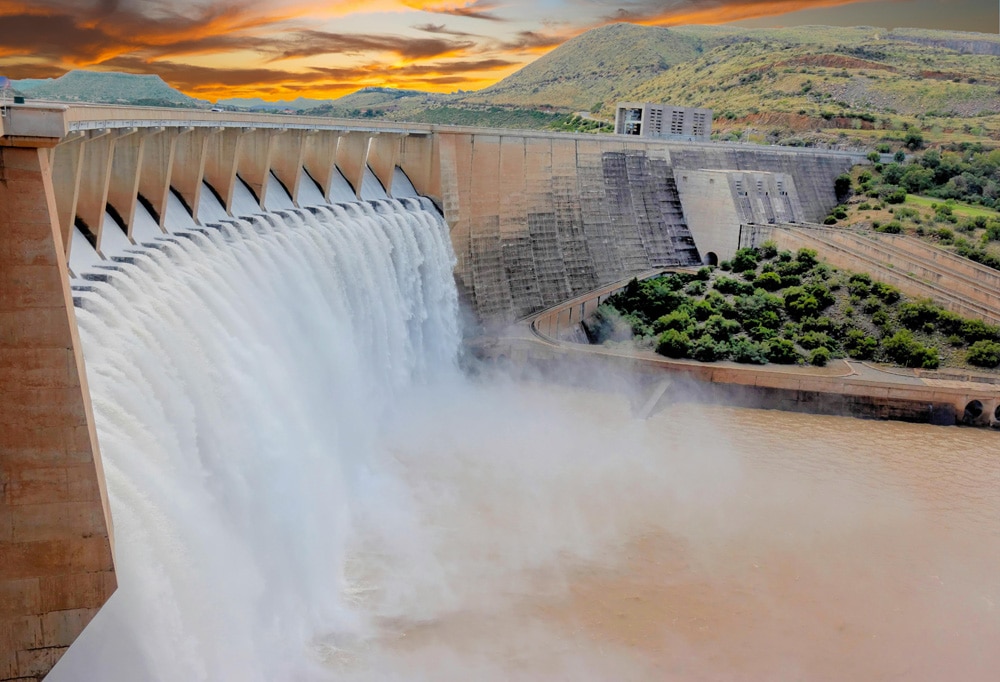
Dams across the United States are aging, and the risks they pose to communities are increasing. Many were built decades ago, with nearly 75% of the nation’s dams exceeding 50 years of age. As climate change drives more frequent and intense storms, the pressure on these aging structures continues to grow. A dam failure can result in catastrophic flooding, loss of life, and billions of dollars in damages.
To mitigate these risks, the federal government offers funding programs that help state and local governments repair, rehabilitate, and enhance the resilience of their dams. This article explores key federal programs designed to support dam safety and how local government officials can take advantage of these opportunities.
The Risks of Aging Dams
The U.S. Army Corps of Engineers’ National Inventory of Dams reports that more than 15,000 dams are classified as high-hazard potential, meaning their failure could result in loss of life and significant property damage. Many of these structures were designed under outdated engineering standards, and some have not received necessary maintenance due to limited funding.
In recent years, extreme weather events have exacerbated dam safety concerns. Hurricane Harvey in 2017 highlighted the vulnerabilities of Texas’ reservoirs, while the 2020 failure of Michigan’s Edenville Dam forced thousands to evacuate. As heavy rainfall events become more common, local governments must prioritize dam safety to protect lives and infrastructure.

Federal Funding Programs for Dam Safety
Several federal programs provide financial assistance for dam rehabilitation and safety improvements. Local governments can leverage these resources to strengthen aging infrastructure before a disaster occurs.
1. FEMA's High Hazard Potential Dam (HHPD) Rehabilitation Program
The FEMA High Hazard Potential Dam Rehabilitation Program provides grants to states to rehabilitate high-hazard dams that are not owned by the federal government. The program helps fund necessary repairs, structural improvements, and risk reduction measures. Eligible projects must align with state hazard mitigation plans, and funding is distributed through participating states.
2. National Dam Safety Program (NDSP)
The National Dam Safety Program (NDSP), managed by FEMA, supports states in developing and implementing dam safety programs. Funding from NDSP can be used for:
- Dam safety inspections and risk assessments
- Emergency preparedness planning
- Public awareness initiatives
- Training for dam safety professionals.
Local governments can work with their state dam safety offices to access NDSP funding and ensure compliance with evolving safety regulations.
3. Water Infrastructure Improvements for the Nation (WIIN) Act Grants
The WIIN Act provides funding through the U.S. Army Corps of Engineers for dam rehabilitation projects, particularly those related to flood control, water supply, and environmental protection. This program focuses on large-scale projects, but smaller local governments can benefit by partnering with state agencies or regional water management authorities.
4. U.S Department of Agriculture (USDA) Watershed Rehabilitation Program
Administered by the USDA’s Natural Resources Conservation Service (NRCS), the Watershed Rehabilitation Program assists communities in rehabilitating aging flood control dams. This program is particularly beneficial for rural areas where smaller dams serve as critical water sources and flood prevention structures.
5. Federal Emergency Management Agency (FEMA) Hazard Mitigation Assistance (HMA) Grants
FEMA’s Hazard Mitigation Assistance (HMA) programs, including the Building Resilient Infrastructure and Communities (BRIC) program, provide funding for projects that reduce disaster risk. While BRIC is not exclusively for dam safety, local governments can use it for flood mitigation efforts that include dam rehabilitation and improvements.
How Local Governments Can Secure Dam Safety Funding
Applying for federal funding can be complex, and competition for grants is often high. Local governments should take a proactive approach:
- Conduct a dam safety assessment to identify priority projects
- Work with state dam safety offices to align applications with state and federal priorities
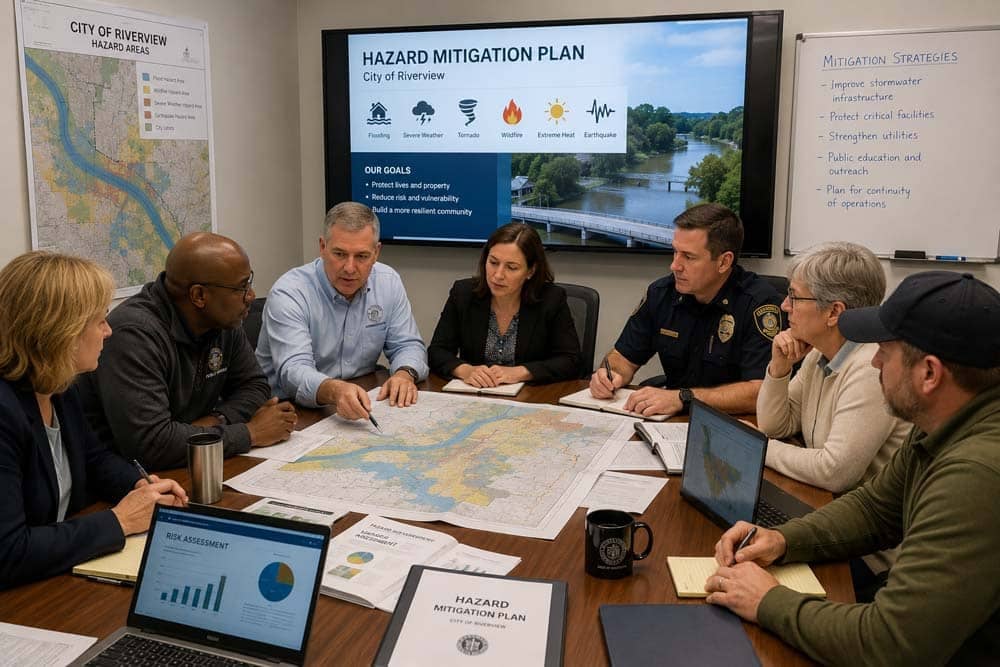
- Develop a clear mitigation plan that demonstrates the community benefits of dam rehabilitation
- Seek expert guidance to navigate grant applications and compliance requirements
Partnering with Experts for Dam Safety Funding
Securing federal funding requires a strategic approach, and local governments often lack the in-house expertise to manage grant applications and compliance. Berquist Recovery Consulting specializes in helping municipalities identify funding opportunities, prepare competitive applications, and ensure compliance with federal requirements.
With billions of dollars allocated for infrastructure resilience, now is the time for local governments to invest in dam safety. Contact us today to discuss how we can help your community access funding and mitigate the risks posed by aging dams.