How FEMA Disaster Assistance Works in the U.S. Territories
Understanding FEMA Assistance in the U.S. Territories
When most people think about FEMA disaster recovery, they picture hurricanes along the Gulf Coast, wildfires in the West, or tornadoes across the Midwest. Yet FEMA’s mission extends far beyond the continental United States.
America’s five permanently inhabited U.S. territories—Puerto Rico, Guam, the U.S. Virgin Islands, American Samoa, and the Commonwealth of the Northern Mariana Islands—are all eligible for disaster assistance under the Stafford Act. These communities face many of the same natural hazards as the mainland, including hurricanes, typhoons, earthquakes, tsunamis, flooding, and landslides. However, recovering from these disasters often presents unique challenges that require specialized planning, logistics, and grant management.
Recent events, including the typhoon impacting Guam and the Northern Marianas islands in 2026, are reminders that disaster recovery in U.S. territories is often more complicated than simply repairing damaged infrastructure. Geographic isolation, limited redundancy in critical infrastructure, and smaller emergency management organizations can make recovery significantly more complex.
For territorial governments, understanding how FEMA programs work, and when to engage an experienced FEMA consultant can make a substantial difference in both the speed of recovery and the amount of federal funding successfully captured.
Which U.S. Territories Are Eligible for FEMA Assistance?
Under the Robert T. Stafford Disaster Relief and Emergency Assistance Act, FEMA provides disaster assistance to five permanently inhabited U.S. territories:
- Puerto Rico
- U.S. Virgin Islands
- Guam
- American Samoa
- Commonwealth of the Northern Mariana Islands
Like governors in the fifty states, territorial governors may request a Presidential Major Disaster Declaration when a disaster exceeds the capability of local and territorial governments to respond and recover.
Once approved, FEMA can make available many of the same programs offered throughout the United States, including FEMA Public Assistance for debris cleanup, emergency costs and permanent infrastructure repairs, Individual Assistance to help impacted survivors, the Hazard Mitigation Grant Program (HMGP), Fire Management Assistance Grants (FMAG) and other programs, depending on the situation and needs.
If you’re unfamiliar with how these programs fit together, our Guide to FEMA Disaster Assistance Programs provides a helpful overview of the funding available to public-sector organizations.
While the programs themselves are largely consistent nationwide, the environment in which they are implemented in the Territories are often very different.
FEMA Programs Are Similar, Challenges Are Unique
One of the biggest misconceptions is that FEMA administers a completely different set of programs in U.S. territories.
In reality, the rules governing Public Assistance, Hazard Mitigation, procurement, environmental compliance, and grant management are largely the same. The difference lies in the operating environment.
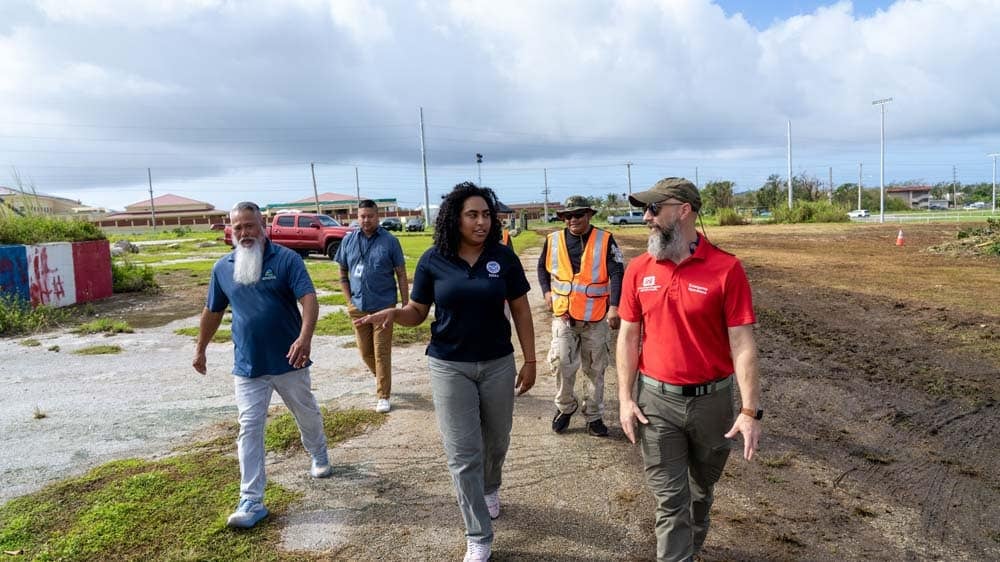
Territorial governments frequently face logistical and financial constraints that mainland communities simply do not encounter. As a result, project development, documentation, procurement, and long-term recovery often require additional planning and technical support.
For organizations navigating complex FEMA requirements, working with an experienced FEMA disaster recovery consultant can help ensure projects remain compliant while maximizing eligible reimbursement.
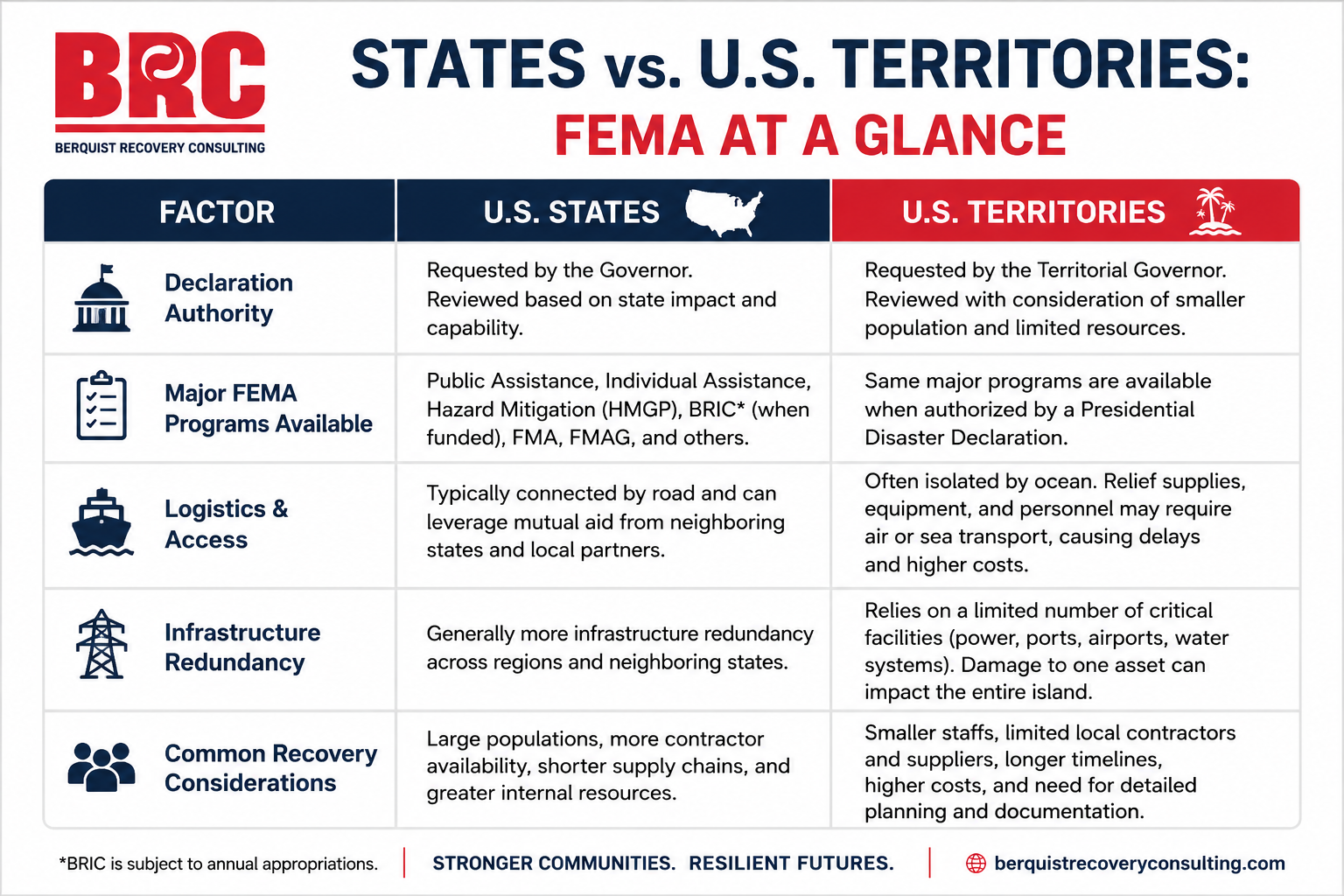
States vs. U.S. Territories: FEMA at a Glance
Smaller Governments, Lower Disaster Thresholds
Territories generally have much smaller populations and tax bases than states.
A disaster causing tens of millions of dollars in damage may represent only a moderate event for a large state. The same disaster could overwhelm the financial and operational capacity of a territorial government.
Recognizing these differences, FEMA evaluates disaster declaration requests using criteria that account for the size and capabilities of territorial governments rather than applying the same expectations used for much larger states.
This approach helps ensure federal assistance is available when territorial governments face disasters beyond their capacity to manage independently.
Geography Changes Everything
Perhaps the greatest difference between states and territories is geography.
Following a major disaster on the mainland, neighboring states can often provide personnel, equipment, temporary housing resources, and construction materials through mutual aid agreements. Roads remain the primary transportation network, allowing supplies to move relatively quickly.
Island communities operate under very different conditions.
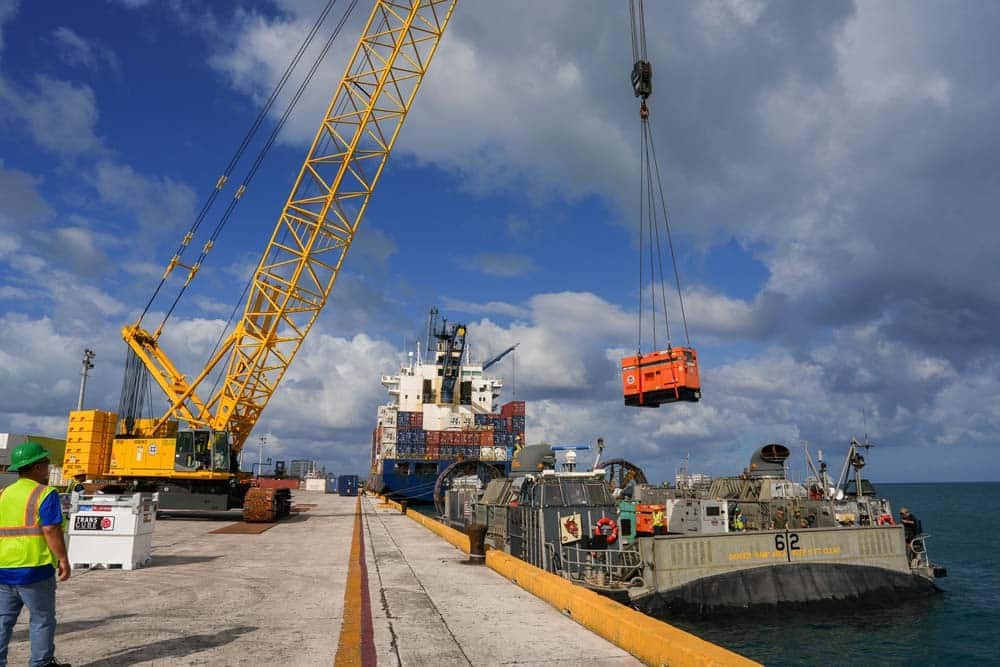
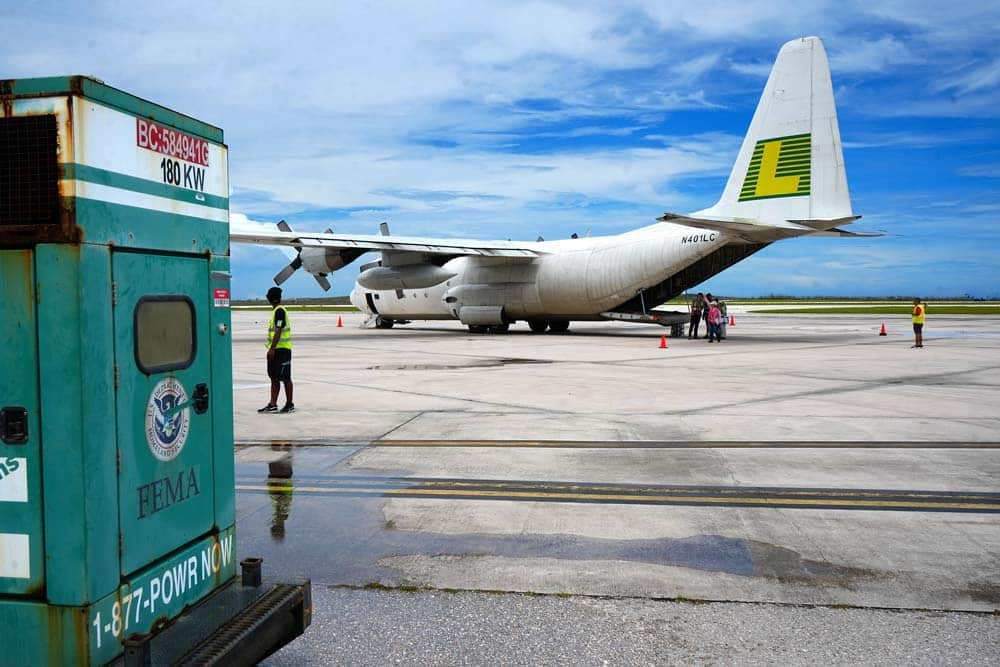
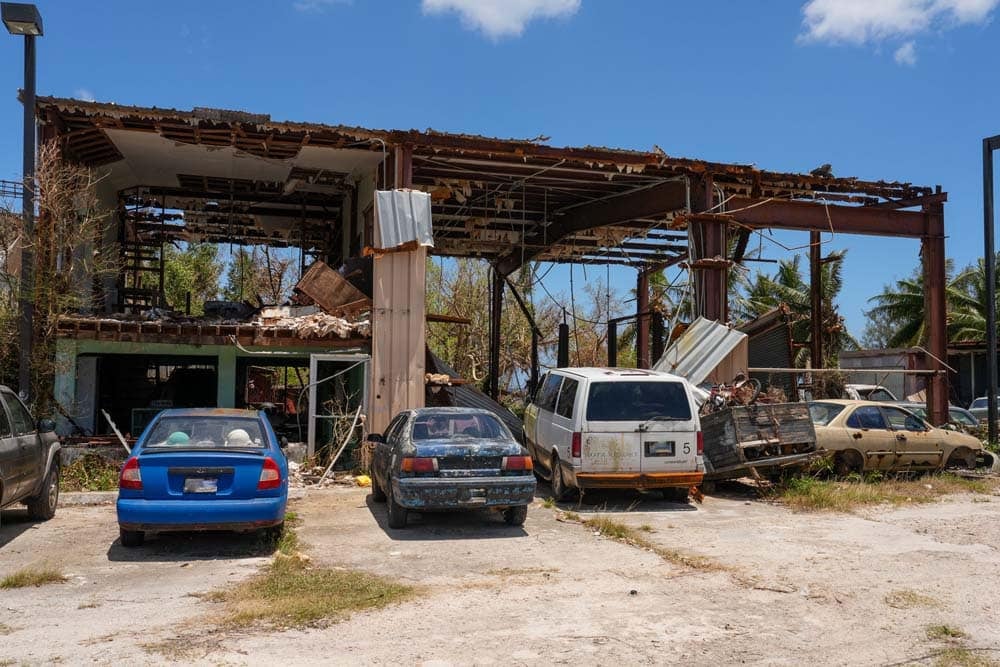
Following a major hurricane or typhoon, damaged ports and airports may delay the arrival of construction materials, fuel, specialized contractors, and heavy equipment. Replacement transformers, water treatment components, generators, and communications equipment may need to travel thousands of miles before repairs can even begin.
These logistical realities frequently extend recovery timelines and increase construction costs, making project planning even more important.
Recent typhoons impacting Guam are a reminder that geography itself can become one of the biggest obstacles to recovery. While FEMA assistance may be available, rebuilding often depends on restoring transportation networks before supplies and contractors can even reach affected communities.
Critical Infrastructure Has Less Redundancy
Many territorial communities depend on a relatively small number of essential facilities.
One power plant may serve much of the island. One commercial port may receive the majority of imported goods. One airport may serve as the primary transportation hub for residents, responders, and relief supplies.
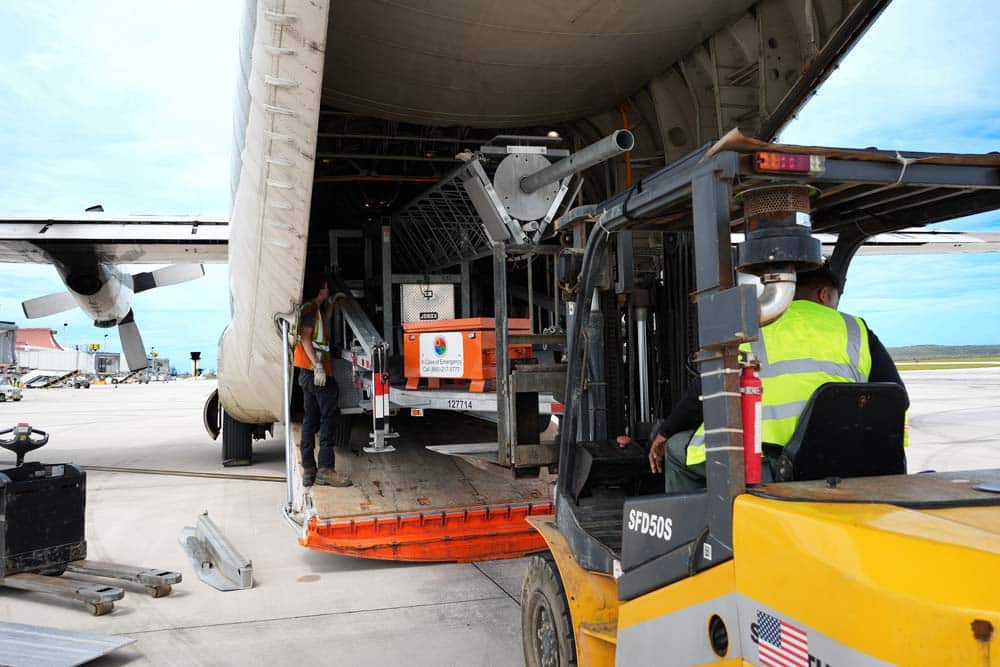
When one of these facilities is damaged, the impacts ripple throughout the entire community.
This is one reason hazard mitigation investments can have particularly significant benefits in U.S. territories. Protecting a single critical facility may improve resilience for an entire island rather than a single neighborhood.
Communities responsible for utilities and essential public infrastructure should also consider broader critical infrastructure resilience like the 404 and 406 mitigation programs immediately after an event, plus proactive infrastructure mitigation like the BRIC program as part of their long-term resiliency strategy.
Public Assistance Requires Careful Documentation
The FEMA Public Assistance process itself remains familiar regardless of where a disaster occurs in a U.S. State, or Territory.
Applicants still develop damage inventories, formulate projects, document eligible costs, complete environmental and historic preservation reviews, manage projects within FEMA Grants Portal, and successfully close out grants.
However, many territorial governments have relatively small emergency management staffs responsible for preparedness, response, recovery, mitigation, and day-to-day emergency operations. Managing multiple FEMA grants while simultaneously restoring public services can quickly stretch available resources.
For this reason, many territorial governments partner with experienced FEMA Public Assistance consultants to assist with project formulation, documentation, procurement compliance, grant management, and closeout.
Communities beginning the recovery process may also benefit from our FEMA Assistance Timelines and Tips, which outlines what applicants can expect throughout the Public Assistance process.
Hazard Mitigation Can Deliver Island-Wide Benefits
Hazard mitigation is particularly valuable in territorial communities because infrastructure is concentrated.
Projects that strengthen electrical systems, elevate essential facilities, improve flood protection, harden public buildings, or modernize emergency communications may reduce future damages across an entire island.
Successful mitigation projects often require engineering studies, environmental review, benefit-cost analyses, and detailed grant documentation.
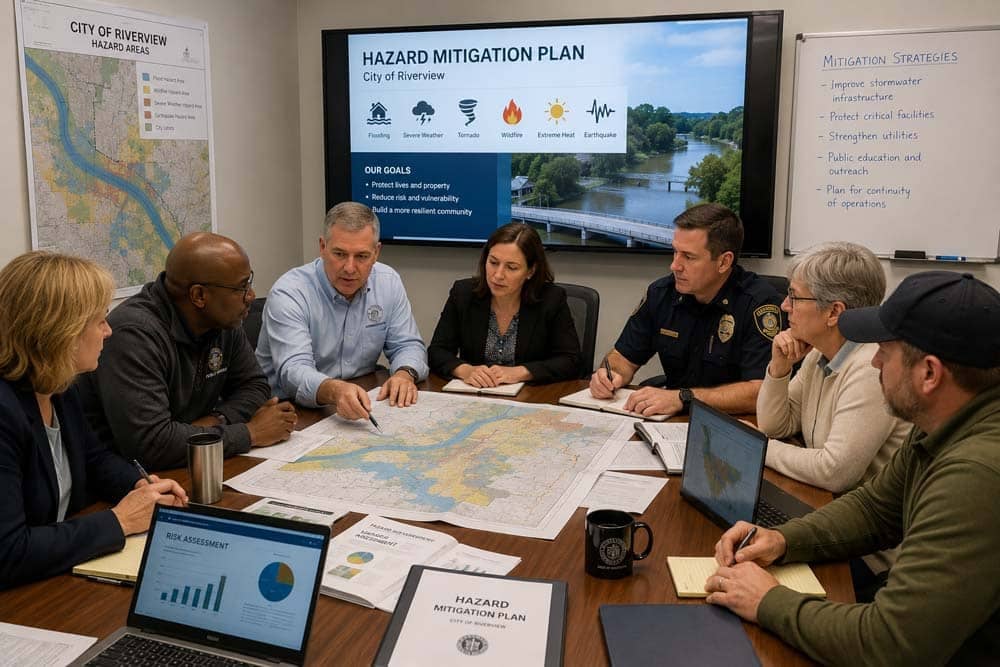
Communities should also maintain a current Hazard Mitigation Plan, which serves as the foundation for many FEMA mitigation grant opportunities and helps identify projects before disasters occur.
Organizations pursuing competitive mitigation funding should also explore the Building Resilient Infrastructure and Communities (BRIC) program and Flood Mitigation Assistance (FMA) to strengthen long-term resilience.
Many territorial governments choose to work with an experienced FEMA hazard mitigation consultant to develop competitive grant applications and successfully manage projects through construction and closeout.
Lessons Every Community Can Learn
Although territorial governments face unique geographic and logistical challenges, many of the lessons apply across the country.
Communities that recover most successfully are rarely those that simply respond well after disaster strikes. Instead, they are the communities that prepared beforehand.
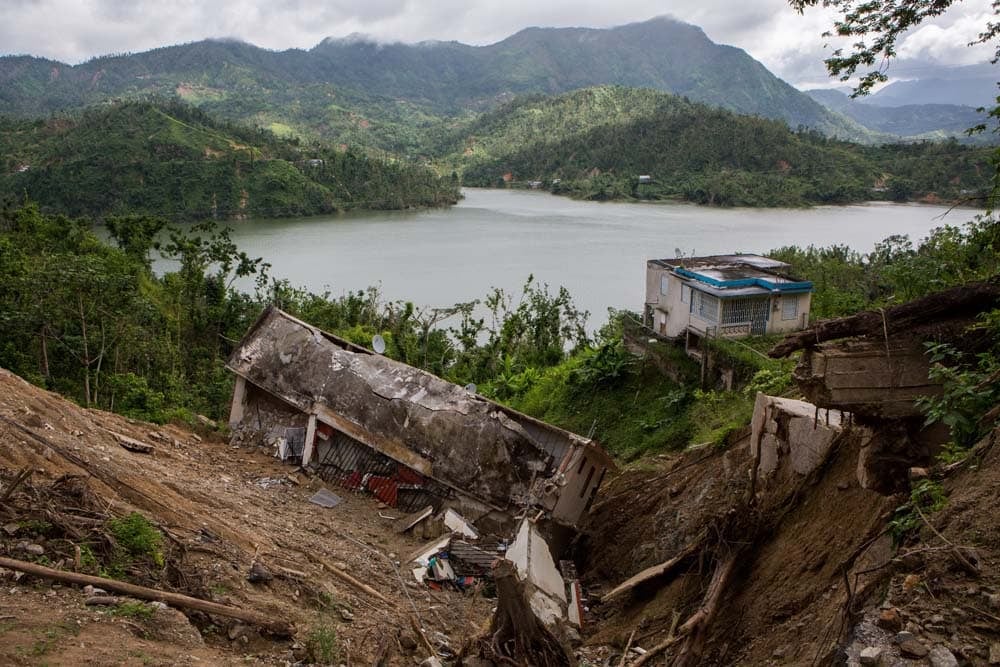
Maintaining current emergency operations plans, updating procurement procedures, identifying mitigation opportunities, protecting critical infrastructure, and understanding FEMA requirements before disasters occur all contribute to faster recovery and stronger long-term resilience.
Preparedness is not simply about responding to emergencies—it is about reducing future risk, protecting public investments, and building stronger communities.
How Berquist Recovery Consulting Helps Public-Sector Organizations
Berquist Recovery Consulting provides FEMA consulting services to state, territorial, tribal, and local governments, utilities, educational institutions, hospitals, and other public-sector organizations.
Our experienced team assists clients throughout every phase of disaster recovery, including:
- FEMA Public Assistance
- Hazard Mitigation Grant Program (HMGP)
- Building Resilient Infrastructure and Communities (BRIC)
- Flood Mitigation Assistance (FMA)
- Project formulation and grant management
- FEMA Grants Portal support
- Procurement compliance
- Grant closeout
- Long-term recovery planning
Whether your organization is preparing for future disasters or recovering from a declared event, Berquist Recovery Consulting helps clients navigate FEMA’s complex grant programs with confidence.