FEMA Eligibility Concerns
Tips for Reducing FEMA Eligibility Concerns
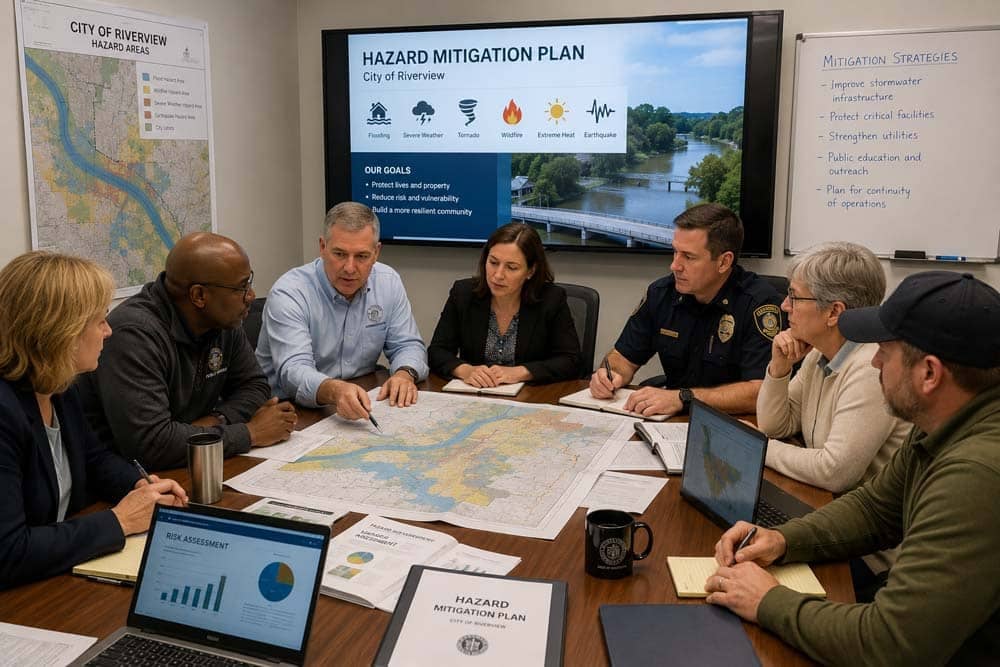
FEMA Public Assistance (PA) funding is a vital resource for municipalities, non-profits and schools recovering from disasters, providing support for emergency response and rebuilding efforts. However, navigating the program’s complex requirements demands meticulous preparation and compliance. Failure to adhere to FEMA’s strict eligibility criteria—whether related to procurement, documentation, or other regulations—can lead to significant delays in critical funding, outright denials, or even clawbacks where municipalities are required to repay funds already disbursed. These pitfalls can undermine recovery efforts when timing and financial certainty are paramount.
What Does FEMA Public Assistance Cover?
FEMA Public Assistance provides funding for:
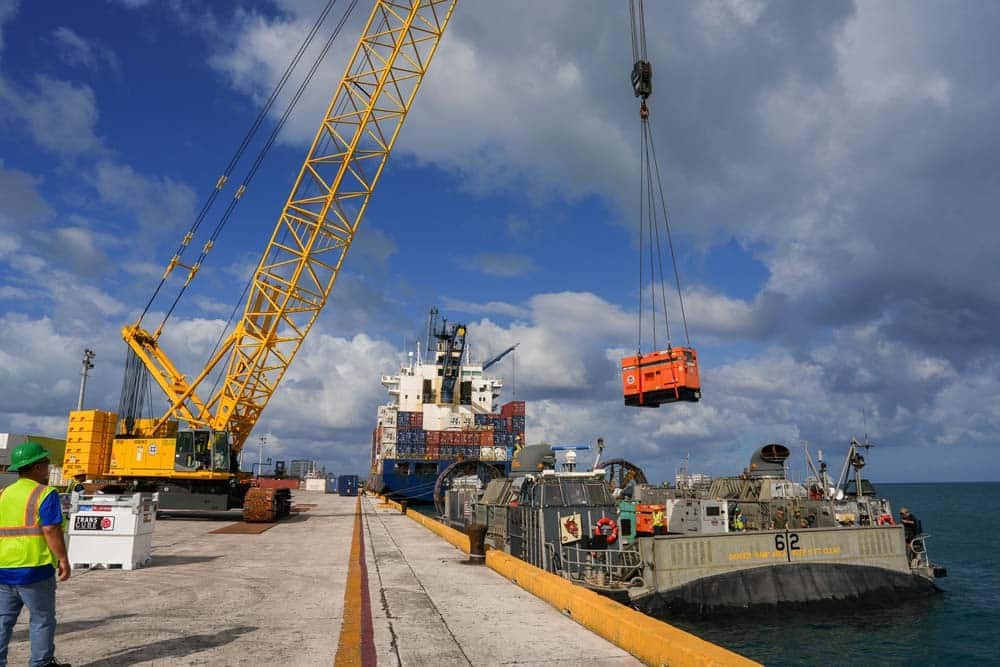
- Emergency Work, such as debris removal and protective measures.
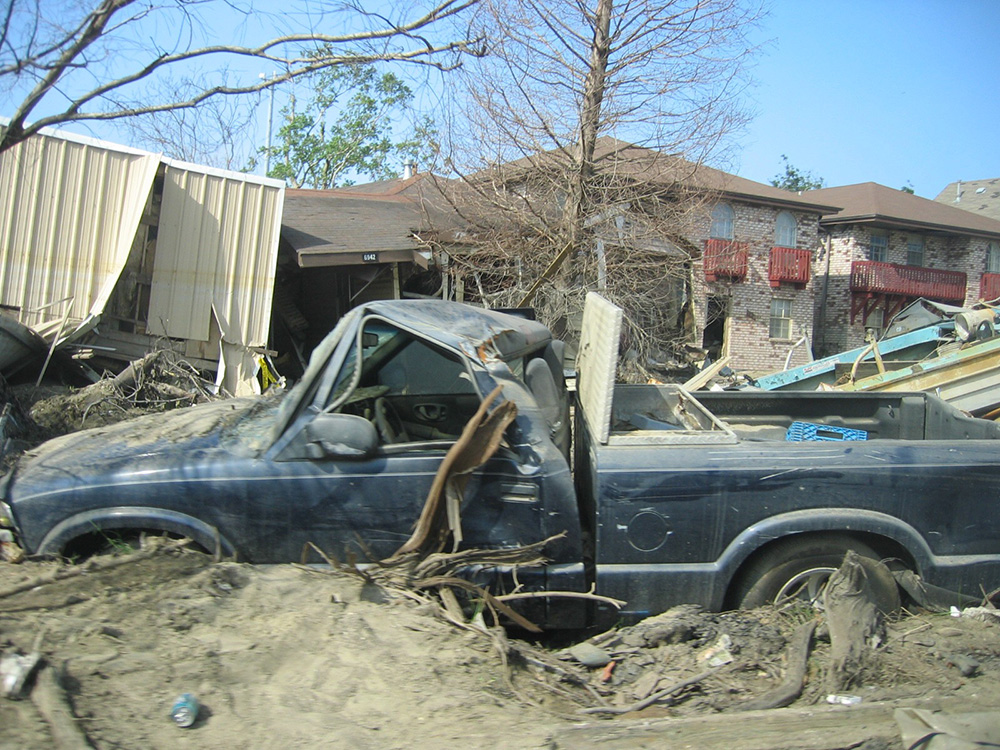
- Permanent Work, including repairs or replacements for damaged infrastructure like schools, roads, and utilities.
While the program offers substantial support, it operates under rigorous oversight to ensure taxpayer funds are appropriately used. Missteps can delay reimbursements, jeopardize funding approval, or trigger audits that may result in clawbacks. For municipalities stretched thin during recovery, such setbacks can hinder progress and compound financial strain.
Key Eligibility Concerns
- Timely & Accurate Documentation:
FEMA requires municipalities to provide comprehensive and accurate records, including pre-disaster conditions, damage assessments, and costs. Delayed or incomplete documentation is one of the most common reasons for funding delays and denials. Municipalities should prioritize organization and consistency in record-keeping to ensure timely funding. - Procurement Compliance:
FEMA mandates adherence to procurement policies, whether using regular procurement rules or emergency procedures. Even during emergencies, municipalities must justify sole-source contracts or deviations from standard competitive bidding. Noncompliance not only risks funding denials but can also delay reimbursements as FEMA scrutinizes procurement decisions. - Ownership & Facility Use:
Applicants must prove that damaged facilities are publicly owned or operated and serve a public purpose. Eligibility challenges related to ownership or mixed-use facilities often lead to delays as FEMA investigates claims. - Reasonable & Eligible Costs:
FEMA only reimburses reasonable costs directly related to disaster response or recovery. Unjustified expenses or discrepancies in cost documentation can delay funding or result in partial approvals. Municipalities should thoroughly justify all expenditures to avoid hold-ups. - Duplication & Eligible Costs:
FEMA funding cannot duplicate insurance payouts or other assistance. Delays often occur when municipalities fail to clearly document how FEMA’s funding complements other sources, such as insurance claims or state aid. - Regulatory Compliance:
Municipalities must meet federal regulations regarding environmental preservation, historic site protection, and building codes. Noncompliance can trigger delays as additional reviews are conducted to determine eligibility.
Procurement Policies: A Critical Compliance Area
Procurement issues are among the most frequent causes of funding delays and clawbacks. FEMA expects municipalities to follow either:
- Regular procurement policies, which involve competitive bidding and detailed record-keeping.
- Emergency procurement procedures, which allow for expedited processes but require clear documentation of the emergency circumstances.
Inadequate documentation or unjustified deviations from procurement policies can slow funding approvals significantly. FEMA’s review process often scrutinizes procurement practices, and deficiencies may result in withheld payments until compliance is verified.


Delays Can Compound Disaster Recovery Challenges
- Operational Disruptions: Recovery projects may stall while municipalities await funding, exacerbating disaster impacts on public services.
- Financial Strain: Delays force municipalities to temporarily cover costs, often requiring loans or reallocating resources from other priorities.
- Increased Costs: Prolonged recovery timelines often lead to higher expenses, compounding the financial burden.
Appeals: Correcting Funding Determination Issues
When municipalities face delays, denials, or clawbacks, FEMA’s appeals process can provide a remedy.
- First Appeal: Municipalities can file within 60 days of a determination, providing documentation to address FEMA’s concerns.
- Second Appeal: If the first appeal fails, a second appeal can be submitted to FEMA Headquarters for further review.
Effective appeals require clear arguments, detailed documentation, and often the assistance of FEMA compliance experts to expedite resolution.
Proactive Strategies for Success
To minimize the risk of delays, denials, and clawbacks, municipalities should:
- Establish Clear Policies: Develop and regularly update procurement and documentation protocols that align with FEMA requirements.
- Train Staff: Ensure key personnel understand FEMA’s standards and are prepared to comply during disasters.
- Engage Experts: Consider hiring FEMA compliance consultants to streamline application and documentation processes, particularly for large or complex projects.
- Maintain Communication: Work closely with FEMA representatives throughout the process to clarify requirements and address issues promptly.
Conclusion
FEMA Public Assistance offers critical funding for disaster recovery, but failure to meet its stringent requirements can lead to delays, denials, and clawbacks. For municipalities, adhering to procurement policies, maintaining meticulous documentation, and addressing eligibility concerns proactively are essential to securing and safeguarding this funding. By investing in preparedness and compliance, municipalities can reduce delays and focus on rebuilding their communities with the financial support they need.