Should Your Organization Hire a FEMA Consultant? – Take This Quiz

Someone's hands sitting on top of several sheets of paper, writing down important numbers.

When a disaster strikes, navigating the complexities of FEMA’s Public Assistance (PA) program can be overwhelming. Federal recovery funds come with strict rules, detailed documentation requirements, and potential financial risks if errors lead to funding de-obligations. We expect those to get even stricter under the new Presidential Administration. Many municipalities struggle to manage these demands on top of their everyday responsibilities. Hiring a FEMA consultant can help, but how do you know if your community needs one?

Ask yourself the following questions:

1. Do we have experience managing FEMA claims and grants?

FEMA’s reimbursement process involves extensive documentation, eligibility determinations, and compliance requirements. If your staff lacks experience with these programs, mistakes can lead to delayed funding or even lost reimbursements. A consultant brings expertise in maximizing eligible costs and ensuring compliance.

2. Do we have the internal capacity to handle the workload?

Disaster recovery requires municipalities to track damages, submit project worksheets, monitor costs, and comply with federal regulations—all while continuing day-to-day operations. If your team is already stretched thin, a consultant can take on the burden, allowing staff to focus on other priorities.

3. Are we worried about public perception, delays, and backlash?

Leaders are judged by how they perform under crises. Disaster recovery is not just about securing funds—it’s also about maintaining public trust. Residents expect swift action, and delays in funding or project execution can lead to frustration, political pressure, and negative media coverage. If your community has faced criticism in the past over slow recovery efforts or mismanaged disaster funds, hiring a FEMA consultant can help ensure a more efficient and transparent process. Consultants bring a structured approach, helping to avoid delays, mitigate risks, and provide clear documentation that reassures the public and elected officials.

4. Have we faced deobligations or funding delays in the past?

FEMA can later revoke or reduce funding if proper procedures weren’t followed. If your community has experienced deobligations before, a consultant can help implement stronger documentation and compliance measures to prevent it from happening again.

5. Do we need help identifying all eligible costs?

Many municipalities leave money on the table by not fully understanding what FEMA will reimburse. Consultants specialize in uncovering all eligible costs—such as administrative expenses, mitigation opportunities, and overlooked damages—to ensure you receive the maximum funding available.

6. Are we coordinating multiple funding sources?

FEMA funds often intersect with state aid, insurance claims, and HUD’s Community Development Block Grants. Managing these funding streams while avoiding duplication of benefits is complex. A consultant can help you strategically layer funding sources to maximize your recovery.

7. Are we pursuing hazard mitigation funding to strengthen resilience?

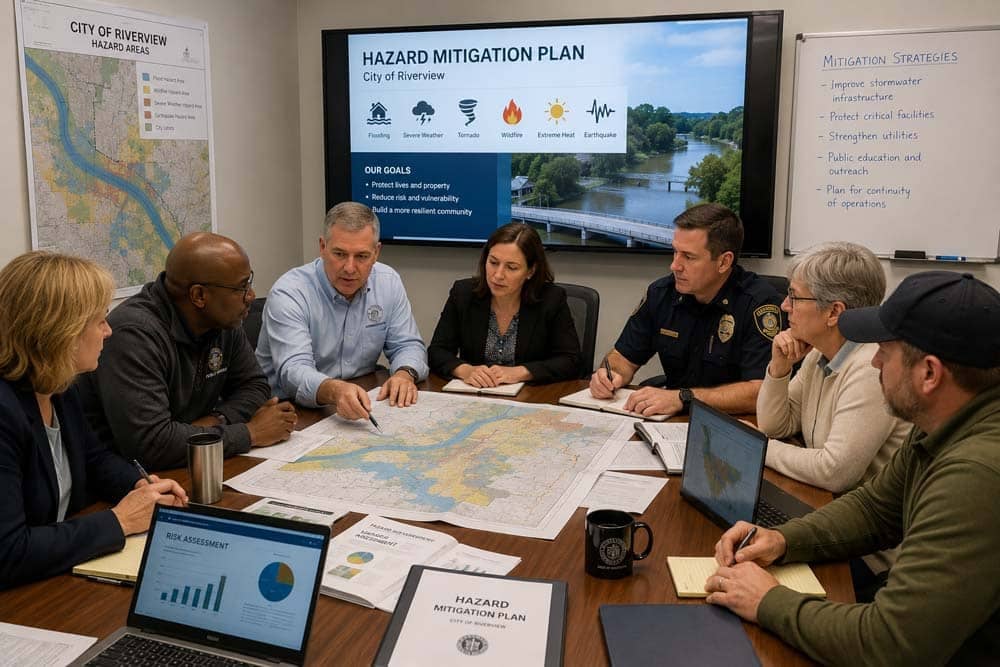
FEMA’s Hazard Mitigation Grant Program (HMGP) and Building Resilient Infrastructure and Communities (BRIC) grants can fund projects that reduce future disaster risks. If your municipality lacks experience in securing these funds, a consultant can guide you through the process.

8. Are we confident in our procurement and contracting processes?

FEMA has strict procurement rules, and noncompliance can result in funding clawbacks. If your team is unsure whether contracts meet federal standards, a consultant can help ensure procurement processes align with FEMA’s requirements, reducing financial risk.

9. Did you know consultant costs are largely reimbursable?

Most FEMA grant programs include dedicated funding for administrative and management costs, often reimbursing up to 5% of the total project amount. This means your organization can bring in experienced consultants to handle policy compliance, documentation, and coordination—critical tasks that improve outcomes and reduce risk—without taking a hit to your operating budget.


Conclusion

If you answered yes to any of these questions, your municipality should seriously consider hiring a FEMA consultant. The stakes are high—errors can lead to funding delays, denials, or costly deobligations. A knowledgeable consultant can help you maximize reimbursements, ensure compliance, and streamline the recovery process, ultimately saving time, effort, and money.